Victoriacross.ca

Product

The Chaplain's Diary

About the book

The Chaplain's Diary is a work of historical reconstruction rooted in memory, war records, and the private reflections of Padre Laurence Wilmot, MC. Through the eyes of a soldier-priest who served in Sicily and Italy, the book examines courage not as legend, but as lived experience. It asks a direct question: why does Canada's Victoria Cross remain unawarded since its creation in 1993, despite acts of extraordinary bravery in earlier wars?

At the centre of this investigation stand two men.

Colonel Ronald Waterman rose from the ranks to command in some of the fiercest fighting of the Italian campaign. At the Foglia River and along the Gothic Line, he led from the front, rallied exhausted men under fire, and held positions that might otherwise have collapsed. Recommendations were written. None resulted in the Victoria Cross.

Corporal Alphonsus Hickey's story is starker. During the withdrawal under heavy fire, he remained behind with a Bren gun to cover his battalion's retreat. He fought alone, deliberately, and held the line long enough for others to survive. His action was reduced to a brief mention in despatches.

The Chaplain's Diary does not diminish the honours that were awarded. It examines the ones that were not. Drawing from diaries, official records, and reconstructed narrative, it challenges readers to consider whether silence itself can become policy, and whether a nation sometimes hesitates to confront the full measure of its own courage.
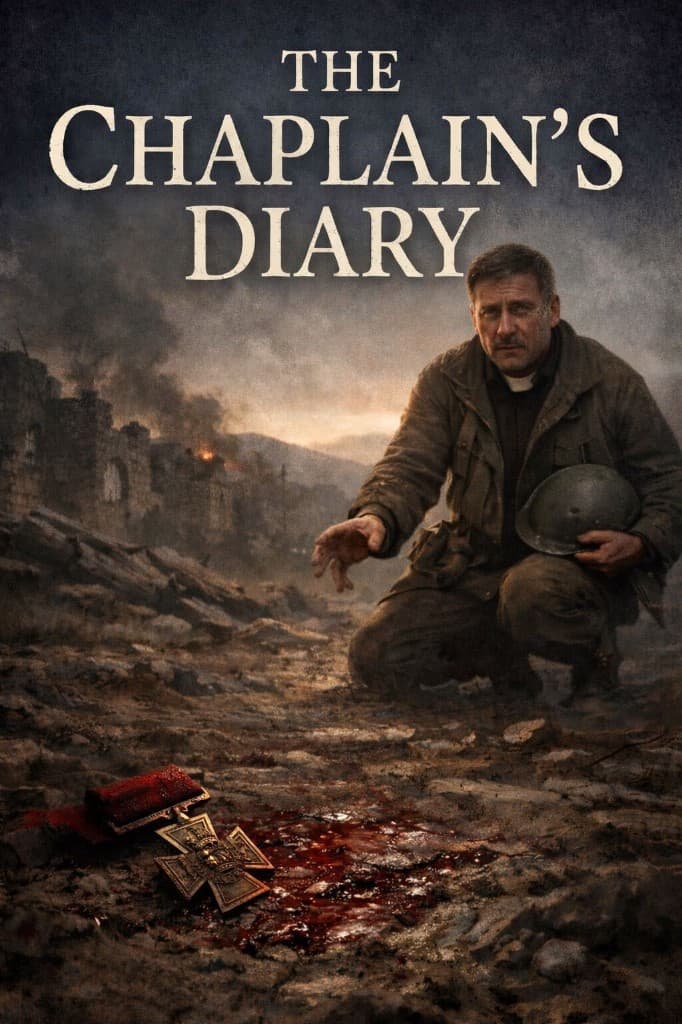
The Chaplain's Diary – cover

The Chaplain's Diary

A compelling account of the Victoria Cross case, drawn from the chaplain's diary. This volume offers historical context and firsthand perspective on the events and individuals involved.

Quick Purchase

Featured Excerpt

Read an Excerpt from The Chaplain’s Diary

September 1944. Gothic Line.

The night smelled of cordite and crushed fennel. The ridge ahead was little more than a dark outline against a starless sky, but everyone knew what waited there. Machine guns were stitched into stone walls. Mortars were zeroed to the inch. Mines lay in shallow earth, patient and impartial.

Orders came at dusk. Advance.

There was no reconnaissance. No armour. Limited artillery.

Just men.

Corporal Alphonsus Hickey checked the Bren gun by touch alone. He had worked steel in Cape Breton before the war. Quiet man. Strong hands. The kind who spoke only when necessary. He did not make speeches. He made decisions.

The first mortar round fell behind them.

The second fell short.

Then the hillside opened.

Machine guns tore through the dark. Mines snapped upward in metal bursts. Men dropped and crawled and called out into a night that gave no answer. The attack faltered before it properly began.

The order to withdraw moved along the line in fragments.

Hickey did not move.

“Leave the cartridges,” he said. No drama. No raised voice. “I’ll hold.”

He set the Bren behind a low stone wall. Short bursts. Controlled. Deliberate. Not wasteful. Each squeeze of the trigger bought seconds. Seconds became yards. Yards became lives.

The men behind him crawled back through mud and wire and shattered vines.

He stayed.

The gun cut the night with steady rhythm. Not frantic. Measured. As if time itself could be disciplined.

At dawn the firing stopped.

They found him upright behind the wall. Barrel burned. Magazines empty. Six enemy dead in a rough arc before him. The slope littered with silence.

He had held the line alone.

The battalion chaplain buried him near the river that afternoon. No band. No citation. Just frost settling early on helmets placed in mud.

A recommendation went forward.

It did not return.

The official record reduced him to a line. A Mention in Despatches.

Thin ink for a full life.

Elsewhere that same night, Lieutenant Colonel Ronald Waterman crossed open ground under machine gun fire to drag wounded men back by hand. He rallied a broken company in darkness and held a ridge that should have collapsed. A Victoria Cross was recommended.

It vanished.

The division commander, Major General Christopher Vokes, approved a lesser decoration. Clean. Proper. Contained.

Too many Victoria Crosses in Italy would raise questions.

Why so much desperate bravery.

Why so many dead.

Why were men forced into situations that required such sacrifice.

Medals shine.

But they also expose.

Canada created its own Victoria Cross in 1993. Identical in shape. Cast from the same metal. Inscribed Pro Valore.

Thirty years later, it remains unworn.

The bronze waits.

The question is not whether courage existed.

The question is whether we chose to see it.

Read the full account and decide for yourself.

Learn More

Price

$24.99

Before applicable taxes.

Confirmation email

Sent right after order

You’ll receive an order confirmation and tracking details by email.

Reviews